The Building Blocks of Hair: A Biochemical Guide to Nutrition and Hair Growth
We often think of hair care in terms of external products: shampoos, conditioners, and serums. But the journey to healthy hair doesn’t start in the shower; it starts on your plate. A single strand of hair is a marvel of biochemical engineering, a complex protein filament constructed from the inside out. The hair follicle is a high-tech, metabolically active factory, and like any advanced manufacturing plant, its output is entirely dependent on the quality and availability of its raw materials. While hormonal shifts and stress responses dictate the factory’s operating hours, it is nutrition that provides the fundamental building blocks. This is a look inside that factory, exploring the essential biochemical components your body needs to weave strong, resilient hair.
Inside the Follicle Factory: The Primacy of Keratin and Amino Acids
At its core, a strand of hair is approximately 95% protein. The specific type of protein is keratin, a fibrous structural protein that is also the key component of our skin and nails. Keratin itself is not a single substance, but a complex structure built from 18 different types of amino acids. These amino acids are the “bricks” that, when linked together in a specific sequence, create the strong, flexible keratin filament. Key players among these include cysteine, proline, and glycine. The takeaway is simple but profound: without a consistent and adequate supply of these diverse amino acid building blocks, the follicle factory simply cannot produce high-quality keratin. A deficiency in even one key amino acid can compromise the structural integrity of the entire hair shaft, leading to breakage, dullness, and poor growth.

Supplying the Raw Materials: The Role of Protein and Marine Collagen Peptides
So, where do these essential amino acids come from? The primary source is dietary protein from foods like lean meat, fish, eggs, and legumes. However, as we age, our ability to digest and absorb nutrients can decline. This is where targeted supplementation can play a supportive role. One particularly interesting source of hair-supportive amino acids is collagen. While your body doesn’t directly use consumed collagen to build hair, it breaks it down into its constituent amino acids.
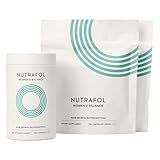
Marine collagen peptides, derived from fish, are especially noteworthy. They are a rich source of proline and glycine, two of the most crucial amino acids for keratin synthesis. Furthermore, the process of “hydrolysis” breaks down the large collagen molecules into small, highly bioavailable peptides, which are easily absorbed by the body. A 2021 study in the Journal of Cosmetic Dermatology found that a specific bioactive collagen peptide supplement significantly improved hair growth and thickness in women with self-perceived thinning hair, lending clinical weight to this nutritional strategy. Formulations like Nutrafol utilize marine collagen precisely for this reason: to provide a direct and easily absorbed supply of the specific raw materials the follicle factory needs.
The Misunderstood Vitamin: Clarifying the True Function of Biotin
Walk down any supplement aisle, and you’ll be bombarded with products touting mega-doses of biotin (Vitamin B7) as a miracle hair grower. The truth, grounded in biochemistry, is more nuanced. Biotin is undeniably essential for hair health. It functions as a coenzyme in various metabolic pathways, including the synthesis of fatty acids and amino acids. Critically, it plays a role in the production of keratin. Think of it not as a building block itself, but as the master builder’s essential assistant, facilitating the process of assembling the amino acid “bricks” into the final keratin structure.
A true biotin deficiency, though rare, does cause hair loss, and in these cases, supplementation is highly effective. However, for the vast majority of the population who are not deficient, there is little robust scientific evidence to suggest that taking massive doses of biotin will lead to superior hair growth. A balanced intake of biotin is crucial, but the market’s focus on it as a standalone miracle cure is a misunderstanding of its supportive, rather than primary, role in keratin synthesis.
Protecting the Machinery: Antioxidants vs. Oxidative Stress
A factory’s productivity depends not only on its raw materials but also on the maintenance of its machinery. The hair follicle is no different. As one of the most metabolically active sites in the body, it is highly susceptible to damage from oxidative stress. Oxidative stress is caused by an imbalance between free radicals—unstable molecules produced during normal metabolism and in response to stressors like UV radiation and pollution—and the body’s ability to neutralize them. These free radicals can damage the follicle’s cells, including its precious stem cells, impairing its function and accelerating its aging process.
This is where antioxidants come in. They are the cellular bodyguards, neutralizing free radicals before they can cause harm. A network of antioxidants works together to protect the follicle. Vitamin C is a powerhouse, not only fighting free radicals in the body’s aqueous environments but also playing a vital role in the synthesis of collagen. Vitamin E is a fat-soluble antioxidant that protects the cell membranes from damage. By ensuring a rich supply of these protective compounds, through both diet and targeted supplements, you are essentially providing a top-tier maintenance crew for your hair follicle factory.
Conclusion: Building Hair Health from the Inside Out
Hormones may write the instructions and stress may affect the production schedule, but nutrition provides the very substance of your hair. A holistic approach to hair wellness during menopause and beyond must be built on a foundation of sound biochemistry. This means prioritizing a diet rich in high-quality protein, diverse plant-based antioxidants, and ensuring adequate levels of key vitamins and minerals. Targeted nutritional formulations can serve as a powerful adjunct, providing a concentrated, standardized supply of these essential building blocks and protectors. Ultimately, the health of your hair is a direct reflection of your internal nutritional environment. By nourishing your body at the cellular level, you provide the follicle factory with everything it needs to do its best work.