
The 5-Minute Camp Setup: Optimizing Your Workflow with the GenX 1000
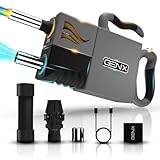
The sun is setting. You have just pulled into your campsite after a four-hour drive. You are hungry, tired, and losing light fast. In the traditional camping script, this is where the stress begins: digging for the pump, struggling to light the fire in the wind, realizing your phone is dead.
The GenX 1000 Multifunctional Camp Care is designed to rewrite this script. It is an efficiency multiplier. However, like any precision tool, it requires a specific protocol to yield the best results. It is not just about pressing buttons; it is about integrating the tool into a streamlined workflow. This guide details how to use the GenX 1000 to go from “parked” to “relaxed” in under five minutes, and how to maintain the device so it never fails you.
The Deployment Protocol: A Chronological Workflow
To maximize the utility of the GenX 1000, think of it as the “Master Key” to your campsite. Keep it in the glovebox or the top pocket of your gear bag.
Minute 0-2: The Bedroom Setup (Inflation)
The first task is always the bed. If you wait until dark, you’ll be fumbling with valves.
1. The Wireless Advantage: Grab the GenX 1000. Because it is battery-powered, you can take the mattress inside the tent (or the back of the SUV) before inflating. This prevents the mattress from picking up dirt or punctures from the ground outside.
2. Nozzle Selection: The unit comes with multiple nozzles. Select the one that fits snugly. A loose fit wastes pressure.
3. The Fill Strategy: Turn on the pump. As noted by users, it is quiet, so you won’t annoy neighbors. Fill the mattress until it is firm, then give it one extra 2-second burst. Air cools at night, causing pressure to drop (Gay-Lussac’s Law); overfilling slightly compensates for this thermal contraction.
Minute 2-4: The Kitchen Setup (Ignition)
Once the bed is ready, move to the fire pit or stove.
1. The Wind-Proof Test: If you are using a propane camp stove, the piezoelectric igniters built into them often fail in the wind. The GenX 1000’s torch flame is your backup. Point the torch at the burner before turning on the gas (for safety), then engage the gas and trigger the torch simultaneously. The high-velocity flame ensures instant ignition even in a crosswind.
2. Campfire Physics: If starting a wood fire, use the torch to pre-heat the flue or the wood itself. The intense heat of the blue flame can dry out damp kindling in seconds, acting as an accelerant without needing chemicals.
Minute 5: The Energy Handoff (Power)
Setup is done. You are sitting by the fire. Now, plug your phone into the GenX 1000.
* The Anchor: Use the weight of the GenX 1000 (2.75 lbs) to keep your phone from sliding off the camp chair or table. It acts as a weighted charging base.
The Deflation Hack: The Most Underrated Feature
Setting up is easy; packing up is hard. Squeezing air out of a mattress manually is a wrestling match that leaves you sweating.
The GenX Vacuum Protocol:
1. Move the nozzle to the Intake (Deflate) port of the GenX 1000.
2. Connect it to the mattress valve.
3. Run the pump.
The Physics: The centrifugal fan creates a vacuum, actively sucking air out. This reduces the internal pressure below atmospheric pressure. The atmospheric weight then crushes the mattress flat.
The Result: The mattress becomes paper-thin and rock-hard. It folds up tighter than when it came out of the factory box, saving precious trunk space. This feature alone justifies the weight of the unit for many users.
Critical Maintenance: The Butane “Bleed”
The most common failure point for any refillable butane torch—including the GenX 1000—is the refusal to refill. You try to push the gas can in, but it sprays everywhere, and the tank stays empty. This is called Vapor Lock.
The Physics of Vapor Lock
As you use the lighter, liquid butane leaves, but compressed gas remains. When you try to refill it, that trapped air/gas creates back-pressure that prevents new liquid from entering.
The Bleeding Protocol:
1. Empty It: Before refilling, turn the flame adjustment to the lowest setting.
2. Depress the Valve: Take a small screwdriver or tool and press down on the refill valve (on the bottom). You will hear a hissing sound. This is the trapped air escaping.
3. Wait for Silence: Keep pressing until the hissing stops completely. The tank is now truly empty and at neutral pressure.
4. Refill: Now, insert the butane canister. Because the tank has no back-pressure, the liquid butane will flow in smoothly and fill it completely.
Perform this every time you refill. It is the secret to a torch that lasts for years.
Battery Hygiene for Long-Term Storage
The GenX 1000 contains a Lithium-Ion battery. Camping gear often sits in a garage for months between trips.
* The 50% Rule: Do not store the unit at 0% or 100% for long periods. 100% stresses the cells; 0% risks voltage dropping below the recovery threshold.
* The “Pre-Trip Top-Up”: Charge it to roughly 60-80% before storing. Two days before your trip, top it off to 100%.
* Temperature: Never leave the unit in a hot car dashboard in summer. The combination of a pressurized butane tank and a lithium battery in 140°F heat is a safety risk. Keep it in the trunk, insulated by other gear, or in the hard case provided.
Verdict: The Organized Camper
The GenX 1000 is a tool for the camper who values process optimization. It effectively deletes three separate hassle points—inflating, lighting, and charging—and replaces them with a single, reliable motion. By mastering the deflation vacuum and the butane bleeding technique, you ensure that this $222 investment continues to pay dividends in the form of time saved and frustration avoided.