
The Unofficial KBS Bread Machine Guide: Mastering the “Missing Manual”
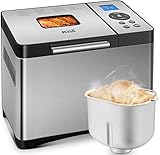
“Great machine, terrible instructions.” This sentiment echoes through the user reviews of the KBS 19-in-1 Bread Machine. While the hardware is engineering excellence—ceramic pan, powerful motor, sleek stainless steel—the software (the user manual) often leaves bakers scratching their heads. Don’t let a thin booklet stand between you and fresh bread. This guide acts as your “Missing Manual,” translating the machine’s quirks into actionable steps and unlocking the full potential of its 19 programs.
The “Bread Bucket” Challenge
Solving the #1 User Frustration
The most common panic moment for new KBS owners occurs right out of the box: the bread pan won’t move. You pull, you tug, and you worry you’ll break your new appliance. The manual is strangely silent on this specific mechanic.
The Solution: Do not pull straight up. The pan locks into the base with a bayonet-style mechanism for stability during the high-torque kneading cycles.
1. Grip the Handle: Fold the handle up.
2. Twist Counter-Clockwise: Turn the pan firmly to the left (counter-clockwise). You will feel it unlock.
3. Lift: Now, pull straight up. It should release effortlessly.
To lock it back in, reverse the process: drop it in, and turn to the right (clockwise) until it clicks securely. Mastering this simple “Twist-and-Lift” maneuver is the first step to loving this machine.

Deciphering the 19 Programs
Matching Function to Flavour
The KBS offers 19 distinct cycles. Understanding what each does allows you to use the machine for more than just white bread.
- Program 1-3 (Soft/Sweet/Natural Sourdough): These are your staples. “Soft Bread” creates a fluffy, sandwich-style crumb with a longer rise. “Natural Sourdough” is the star here, offering the extended fermentation times (often 6+ hours) required for wild yeast to work its magic.
- Program 6 (Gluten Free): This is a specialized algorithm. Unlike wheat dough, gluten-free batter doesn’t need “punching down” (which would destroy its structure). This cycle likely mixes once and then allows for a single, continuous rise before baking. Tip: Use a rubber spatula to scrape down the sides of the ceramic pan during the first 5 minutes of mixing to ensure all gluten-free flour is incorporated.
- Program 11 (Dough): This turns the KBS into a prep station. It handles the mixing and kneading (1.5 hours typically) but stops before baking. Use this for pizza dough, cinnamon rolls (as one reviewer successfully did), or braided challah that you bake in your oven.
- Program 14 (Jam) & Program 15 (Yogurt): These utilize the machine’s heater without the high-heat baking profile. “Jam” cooks and stirs fruit and sugar to the gelling point. “Yogurt” maintains a low, steady temperature (around 110°F) for 8+ hours to ferment milk cultures.
The “Finicky” Factors: Troubleshooting Tips
Precision is Key
Some users describe the machine as “finicky.” In the world of bread machines, “finicky” usually means “unforgiving of measurement errors.” The KBS’s ceramic pan conducts heat very efficiently, meaning slight hydration imbalances show up quickly.
- The “Beep” Alert: The machine will beep during the second knead cycle. This is not an error; it is the “Add-In” signal. This is your cue to open the lid and toss in raisins, nuts, or seeds. Adding them earlier would cause the powerful paddle to crush them into paste.
- Dense Loaves: If your bread comes out like a brick, you likely packed the flour. Use a scale. Weighing your flour (1 cup = ~120g) is the single biggest upgrade you can make. If you must use cups, use the “spoon and level” method.
- Menu Navigation: The “Menu” button cycles through the 19 numbers. There is no “back” button. If you miss your number, you have to cycle all the way around. Patience is a virtue here.
Maintenance: Protecting the Ceramic
Cleaning and Care
The ceramic non-stick coating is durable but not invincible.
* No Metal Utensils: Never use a metal knife or fork to pry bread out. The pan releases easily; simply invert it and shake. If the paddle stays in the loaf, use the provided hook tool to fish it out after the bread cools slightly.
* Soak, Don’t Scrub: If dough sticks to the paddle shaft, fill the pan with warm soapy water and let it soak for 20 minutes. The residue will wipe away with a soft cloth. Never use steel wool on the ceramic surface.
By understanding these unwritten rules, you transform the KBS from a confusing appliance into the “reliable workhorse” that satisfied owners rave about.