The Commercial Workflow: Mastering Batter, Heat, and Profit on the LANTAO520
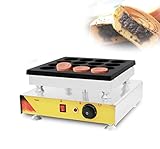
Owning the hardware is only the first variable in the equation of a successful street food business. The LANTAO520 NP-110 provides the thermal platform, but the quality of the final product—the Taiwanese Wheel Cake—depends entirely on the operator’s mastery of rheology (the flow of matter) and timing. Unlike a home kitchen where inconsistency is a quirk, in a commercial setting, inconsistency is a loss of revenue. This guide translates the engineering constraints of the 16-hole machine discussed previously into actionable operational protocols, focusing on batter management, filling logic, and machine longevity.
The Rheology of the Batter: Viscosity is King
The most common failure point for new operators of the NP-110 is batter consistency. The machine’s non-stick molds rely on a specific viscosity to function correctly. If the batter is too thin (low viscosity), it will boil rather than bake, resulting in a rubbery texture and a shell that collapses when lifted. If it is too thick (high viscosity), it will not spread evenly to the edges of the 68mm mold, leaving gaps and creating a dense, doughy puck.
The Golden Ratio for Commercial Batters:
For a crisp outer shell that retains its shape—a necessity for the “shell-shock” method of assembly—commercial recipes often incorporate a blend of cake flour (low protein) for tenderness and a small percentage of tapioca starch or cornstarch. The starch acts as a textural modifier, providing that signature slight “chew” (Q-texture) associated with authentic Taiwanese cakes.
* Operational Tip: When using the NP-110, do not pour batter directly from a bowl. Use a piston-funnel dispenser. This tool allows for precise dosing (approx. 40-50ml per hole) and cuts off the flow instantly, preventing drips that burn on the stainless steel faceplate. The 1200W element recovers faster when the plate stays clean; carbonized batter acts as an insulator, disrupting heat transfer.
The “Shell-Shock” Assembly Method
Working with 16 holes requires a choreographed dance. You cannot treat all 16 holes simply as “cooking spots.” You must divide the grid into two zones: the Base Zone (bottom shells) and the Cap Zone (top shells).
- The Pour: Rapidly fill all 16 holes with batter. Use a wooden spreader (often T-shaped) to coat the walls of the mold. This creates the cup shape.
- The Wait: Allow the batter to set for approx. 60-90 seconds. The edges should look dry.
- The Fill: Add your filling (Red bean, custard, taro) to the 8 holes in the Base Zone. Do not overfill; the filling should mound slightly but not spill over the rim.
- The Cap: This is the critical skill. Using a pick tool, loosen the 8 empty shells in the Cap Zone. Lift them swiftly and flip them onto the filled Base Zone shells.
- The Seal: The NP-110 molds are designed with a slight lip. When you press the top shell down, the semi-cooked batter at the rim fuses with the bottom shell.
- The Bake: Continue cooking the combined cakes for another 2-3 minutes, rotating them periodically to ensure even browning.
Why this matters for the NP-110: Since this is a 110V/1200W machine, it does not have the brute force heat of a gas grill. This “split-zone” method ensures you are not overloading the thermal capacity of the plate by trying to cook 16 full cakes at once; you are effectively cooking 8 finished products per cycle, optimizing the heat load.

Managing the Fillings: Thermodynamics of Sweet vs. Savory
Fillings behave differently under heat. The operator must adjust their workflow based on the ingredient’s water content and sugar density.
- Red Bean (Anko) & Taro: These are dense, low-moisture pastes. They are thermally stable and hold heat well. They are the easiest to work with on the NP-110 as they don’t boil over.
- Custard & Chocolate: These high-sugar, high-fat fillings become liquid magma when heated. If the seal isn’t perfect, they will leak. Leaking custard burns instantly on the heating plate, creating a difficult-to-clean mess that smells acrid. Technique adjustment: Chill these fillings before service. Using cold custard pellets makes them easier to handle and prevents them from liquefying before the shell is sealed.
- Savory (Cheese, Corn, Tuna): These often release steam. The NP-110’s non-stick coating is hydrophobic, meaning water released from tuna or corn can get trapped, making the bottom soggy. Technique adjustment: Ensure savory fillings are as dry as possible before use. Sauté vegetables to remove moisture before adding them to the cake.
Maintenance Protocol for #201 Stainless Steel
As analyzed in the technical breakdown, the NP-110 utilizes #201 stainless steel. This material requires a proactive maintenance strategy to prevent the “commercial kitchen killer”: rust.
Daily Protocol:
1. Cool Down: Never clean the machine while it is at operating temperature (180°C). Thermal shock can warp the non-stick plates or the chassis.
2. Degrease: Once warm (not hot), wipe down the surface with a mild degreaser. Do not use chlorine-based bleaches or harsh acids, as these will rapidly attack the manganese in the #201 steel, leading to pitting corrosion.
3. The Coating: The non-stick surface is the machine’s lifeline. Never use steel wool or abrasive scouring pads (green Scotch-Brite). Use soft sponges or microfiber cloths. If carbon buildup occurs, use a specialized carbon-off gel safe for aluminum/soft metals, or use a paste of baking soda and water.
4. Dry Storage: After cleaning, the machine must be dried completely. Moisture is the enemy. If storing for a long period, a light wipe of food-grade mineral oil on the stainless body acts as a barrier against humidity.
Profitability: The Unit Cost Analysis
Let’s break down the economics of a single cycle on the LANTAO520.
* Throughput: 8 cakes per 5-minute cycle = ~96 cakes per hour.
* Energy Cost: At 1.2kW, running for one hour consumes 1.2 kWh. At an average commercial rate of 0.15/kWh, the energy cost is negligible (0.18/hour).
* Food Cost: A typical wheel cake sells for 2.00 – 4.00 depending on the market. The food cost (COGS) is usually 15-20%.
* The Verdict: The machine pays for itself very quickly. With a machine cost of roughly $650 (as per the data snippet), selling just 300-400 cakes covers the equipment investment. This typically represents just 3-4 busy nights at a market.
The LANTAO520 NP-110 is a low-risk asset. Its limitations (1200W power, #201 steel) are easily managed with the correct workflow and maintenance. For the aspiring street food entrepreneur, it offers the most critical feature of all: a rapid path to profitability through a high-margin, beloved product.